Renting in Canada: costs, deposits, rent increases and your rights
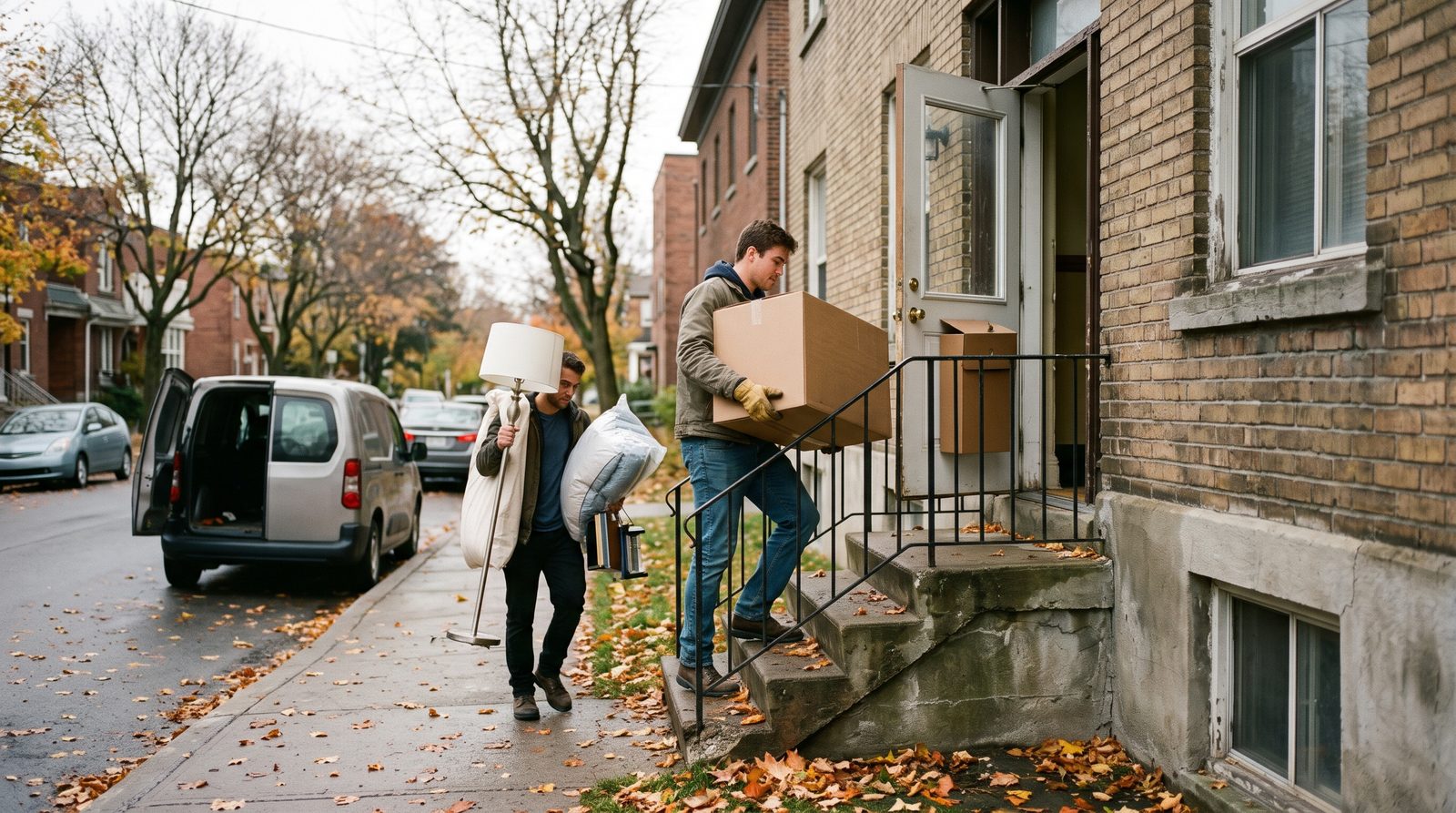
Most people in Canada rent at some point, and many newcomers rent for their first years. Rent is usually the largest line in the budget, so a few rules that change by province can make a real difference: what a landlord can ask for up front, how much the rent can rise and what happens to your deposit.
How much rent you can afford
The Canada Mortgage and Housing Corporation (CMHC) considers housing affordable when it costs less than 30% of a household's before-tax income. For renters, that means rent plus the utilities you pay yourself.
- A household earning $5,000 a month before tax: up to about $1,500 for rent and utilities.
- Two incomes totalling $7,500 a month: up to about $2,250.
In big cities many people pay more than 30%, and that is sometimes unavoidable. If you do, the rest of the budget has to be tighter: our 50/30/20 guide shows what to adjust when needs take more than half of your income. Remember the costs that are not in the rent: hydro or electricity, heat, internet, laundry, parking and tenant insurance.
What you pay before moving in
Each province sets its own rules. For the four largest:
| Province | What the landlord can ask for |
|---|---|
| Ontario | A rent deposit of up to one month, used for your last month (often called first and last). No damage or pet deposit. A refundable key deposit is allowed. |
| British Columbia | A security deposit of up to half a month's rent, plus a pet damage deposit of up to half a month if you have a pet. |
| Alberta | A security deposit of up to one month's rent, kept in a trust account. |
| Quebec | Only the first month's rent. A deposit cannot be required. |
For a $1,800 apartment, that means about $3,600 on signing in Ontario, $2,700 in BC ($3,600 with a pet), up to $3,600 in Alberta and $1,800 in Quebec. Add the move itself, utility connection fees and the first month of tenant insurance. If a landlord asks for more than your province allows, that is a warning sign.
Before you sign: lease, inspection, insurance
- Read the lease. In Ontario, most private rentals must use the province's standard lease, and any clause requiring a damage or pet deposit is void. In other provinces, ask for the written agreement before you pay anything.
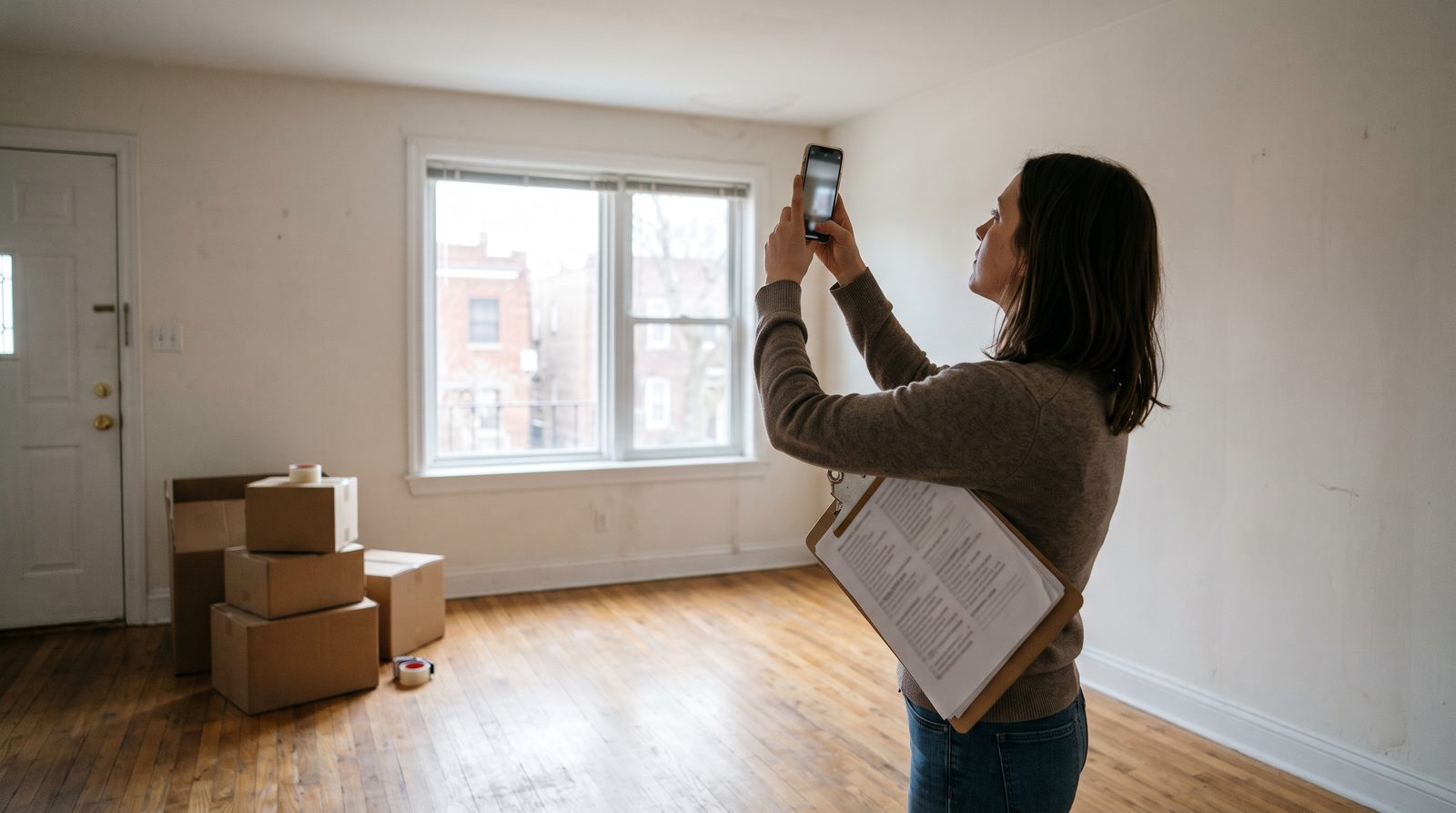
- Inspect and photograph the unit on move-in day, with the landlord if possible: walls, floors, appliances, windows, any stain or damage. Keep dated photos. In BC and Alberta, landlords must do a written move-in inspection; it is your best evidence when you move out.
- Get tenant insurance. The landlord's insurance covers the building, not your belongings, and not your liability if water from your unit damages the one below. Many leases require it, and it usually costs much less than a phone bill.
- Know what is included. Ask in writing which utilities, appliances, parking and storage come with the rent.
How much your rent can go up
- Ontario: for most units first occupied on or before November 15, 2018, the guideline is 2.1% in 2026 and 1.9% in 2027. Rent can go up once every 12 months, with at least 90 days of written notice. Units first occupied after that date have no cap on the amount, but the same notice and timing rules apply.
- British Columbia: 2.3% in 2026, once every 12 months, with at least 3 full months of notice on the official form.
- Alberta: no cap on the amount, but rent can only go up once every 12 months, with written notice.
- Quebec: there is no fixed percentage. If you receive a notice of increase, you can refuse it within one month; the landlord can then ask the Tribunal administratif du logement to set the rent.
On a $1,800 rent, Ontario's 2.1% is $37.80 more a month and BC's 2.3% is $41.40. These caps apply to the same tenant; when a unit is rented to someone new, the landlord can usually set a new rent.
Rental scams: how to spot them
- The rent is well below similar units in the area.
- The "landlord" is abroad, cannot show the unit and asks for a deposit by e-transfer, wire or gift cards to "hold" it.
- You are pressured to decide today, or asked for copies of your passport or SIN before you have seen the place.
- The photos appear in other listings with a different address.
Never pay before you have seen the unit in person or through a live video call with someone who can prove they own or manage it, and pay by a method that leaves a record. If something feels wrong, report it to the Canadian Anti-Fraud Centre.
Your rights in a few lines
Your landlord must keep the unit in good repair and can generally enter only with written notice, except in emergencies. A landlord cannot refuse to rent to you because of your race, religion, family status, disability or other grounds protected by human rights laws. If you cannot solve a problem directly, each province has a tribunal: the Landlord and Tenant Board in Ontario, the Residential Tenancy Branch in BC, the Residential Tenancy Dispute Resolution Service in Alberta and the Tribunal administratif du logement in Quebec.
Getting your deposit back
Leave the unit clean, take dated photos, return the keys and give your new address in writing. In BC, the landlord must return the deposit or file a claim within 15 days after the tenancy ends and you give your forwarding address. In Alberta, it must come back with interest, or with a written statement of deductions, within 10 days. In Ontario, the rent deposit pays your last month, and the landlord must pay you interest on it every year at the rent increase guideline rate.
Frequently asked questions
Is it legal to ask for first and last month's rent?
In Ontario, yes: the landlord can ask for a rent deposit of up to one month, which pays your last month. In BC the deposit is limited to half a month (plus half a month for a pet), in Alberta to one month, and in Quebec no deposit can be required at all.
How much can my landlord raise the rent in 2026?
In Ontario, 2.1% for most units first occupied on or before November 15, 2018, and 1.9% in 2027. In BC, 2.3%. Alberta has no cap on the amount, and in Quebec you can refuse an increase and the tribunal can set the rent.
Do I need tenant insurance?
It is not required by law everywhere, but many leases require it, and it protects your belongings and your liability, which the landlord's policy does not cover. It is one of the cheapest protections in a renter's budget.
How do I know if a rental listing is a scam?
Be careful if the rent is far below similar units, the landlord cannot show the unit, you are asked to pay a deposit before seeing it, or you are pressured to decide right away. Never send money or ID copies before visiting.
What can I do if my landlord does not return my deposit?
Ask in writing first, with your photos and the move-in inspection. If that fails, file a claim with your province's tenancy tribunal, such as the Residential Tenancy Branch in BC or the Residential Tenancy Dispute Resolution Service in Alberta.
Sources
- Government of Ontario: Residential rent increases
- Government of Ontario: Guide to Ontario's standard lease
- Government of British Columbia: Rent increases
- Government of Alberta: Starting a tenancy
- Canada Mortgage and Housing Corporation: Renting a home
- Canadian Anti-Fraud Centre
Educational information, not financial, tax or legal advice. Limits and rules change: confirm the current figures with the Canada Revenue Agency (CRA) or a qualified professional.
Kuentaly reads your bank alerts, organizes your cards and shows your registered accounts. Free to use during the beta.
Open Kuentaly